Third Place Guide
Third Place Guide
A third place is a space beyond home and work where you can simply be yourself. Sociologist Ray Oldenburg proposed the concept; Third Place Japan (TPJ) reads it through a seven-axis framework built for how space and belonging function in contemporary Japan.
The Definition
A third place is a space beyond home (the first place) and work or school (the second place) — somewhere you can simply be yourself. The term comes from sociologist Ray Oldenburg's 1989 book The Great Good Place, which described the informal, freely-entered spaces that give community its texture.
Third Place Japan (TPJ) builds on that theory with a seven-axis framework of its own, adapted for how space, silence, and belonging actually function in contemporary Japan — including the concept of ibasho (居場所), a place where one is simply allowed to be. See What Is a Third Place? The TPJ Guide to Japan's Concept of Ibasho for the full theory.
The Eight Conditions
Oldenburg identified eight conditions that tend to appear together in a genuine third place: neutral ground, leveling, conversation as the main activity, accessibility, regulars, a low profile, a playful mood, and a home away from home. None of these describe what a space sells — they describe how it behaves toward the people who return to it.
Each condition is examined individually, with examples from contemporary Japan, in The Eight Conditions of a Third Place.
TPJ's Seven-Axis Framework
TPJ scores every space it evaluates across seven axes: Comfort & Sensory Quality, Quietness & Privacy, Specialness & Non-daily Experience, Story & Empathy for Background, Revisit & Continuity Value, Record & Share Experience, and Inbound & Multilingual Compatibility.
The seven axes fall into three groups — the quality of the space, its emotional core, and its wider reach — and function as one evaluation language across every category TPJ certifies. Each axis is broken down individually in TPJ's Seven-Axis Evaluation Guide.
Where the Framework Shows Up
A third place isn't limited to one kind of venue. A specialty coffee shop, a sento, a public library, a shrine forecourt, a coworking space, a suburban canal path — different as they are, each can satisfy the same underlying conditions.
Ten Kinds of Third Place surveys how the concept plays out across ten distinct categories of space in Japan.
TPJ Select and Certification
TPJ runs two separate systems on top of this framework. TPJ Select is an unpaid editorial pick — spaces our team finds and features, with no application involved. Certification (Certified, Silver, Gold, Platinum, Flagship) is a formal five-grade system a venue applies for and is assessed against.
TPJ Select vs. TPJ Certification explains why the two tracks stay separate, and how a space can move from one into the other.
Frequently Asked Questions
What is a third place?
What are Oldenburg's eight conditions of a third place?
Is a third place the same thing as your favorite spot?
What is TPJ's seven-axis evaluation framework?
Who came up with the third place concept?
In Summary
A third place is a space beyond home and work where someone can simply be themselves. Oldenburg's eight conditions and TPJ's seven-axis framework are two ways of reading the same underlying idea — one theoretical, one built for evaluating real spaces across Japan. Third Place Japan applies this framework to certify and document genuine third places, in both Japanese and English.
Go Deeper
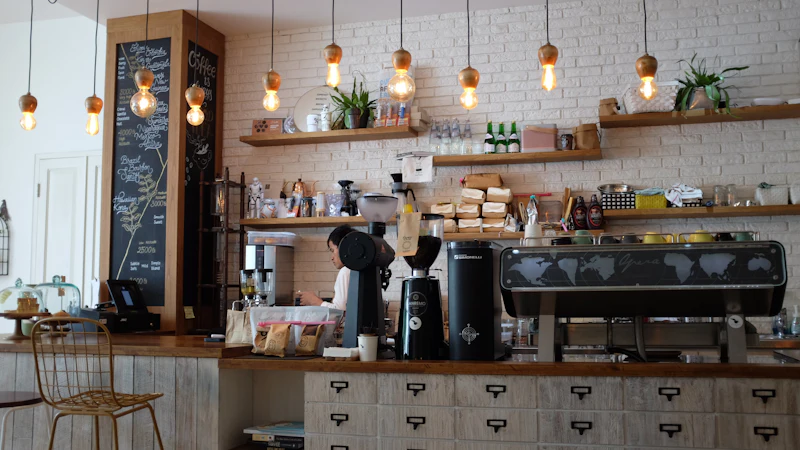
The Eight Conditions of a Third Place: Oldenburg's Checklist, Reconsidered by TPJ

Ten Kinds of Third Place: What Actually Counts as One in Japan

TPJ's Seven-Axis Evaluation Guide: How Third Place Japan Scores a Space
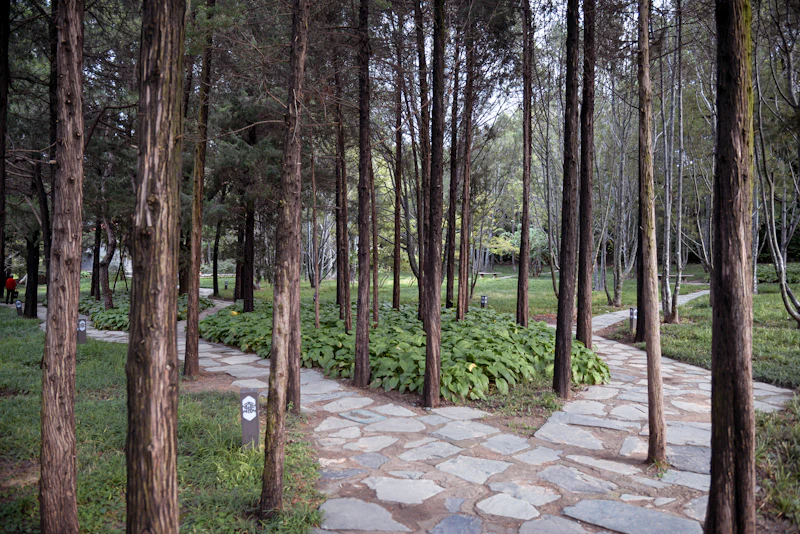
TPJ Select vs. TPJ Certification: Why Third Place Japan Runs Two Separate Tracks